Silicone

Flexible Silicone Molds vs Rigid Molds

Home  |  How-to articles  |  Silicones

Choosing Between a Flexible or Rigid Mold

There are a couple of factors to consider when choosing between a flexible silicone mold or a rigid mold. The geometry of the pattern (the object you are making a mold of), the material being used to cast parts, and volume of castings you are looking to get out of one mold.

1. Geometry

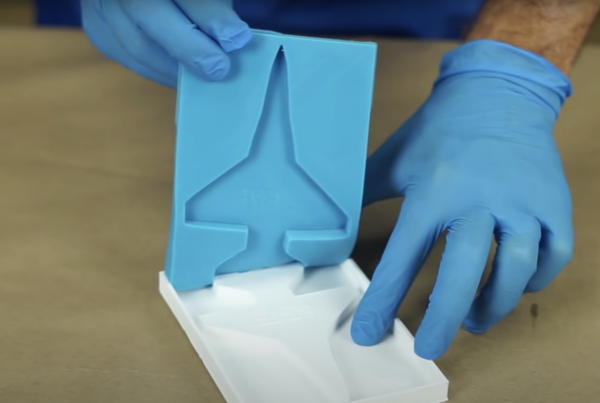
The geometry of the pattern is an important factor when choosing a molding material. If the pattern has undercuts, or is a very intricate shape, a flexible silicone mold is recommended. The flexibility of the silicone will allow you to stretch it over the undercuts in order to release the casting. This is not to say a rigid mold can’t be used; however, you would most likely need to construct multi-piece mold with more than 2 or 3 mold sections. This is more work and effort than creating a silicone mold.
2. Material

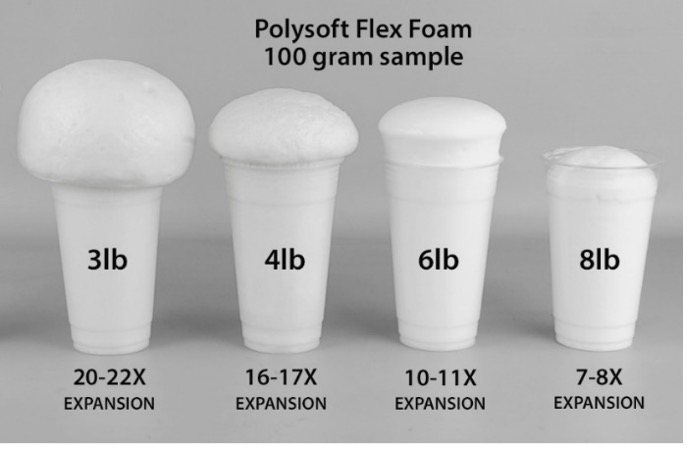
If you are casting foam, then a rigid mold would work best. The expanding pressure a foam can create when poured into a closed mold could easily distort a soft silicone mold. TC-1630 is a Rigid, Filled Polyurethane that works great for small to medium size molds. Our TC-1650 and TC-1651 Aluminum Filled Epoxies are also a great option. With a material like BJB’s Water Clear polyurethanes, a silicone mold works best because of the silicone’s ability to hold exotherm heat (helping it cure) and reproduce high gloss finishes.

3. Volume

Silicone molds are great for short production runs. However, silicone molds have a life span. Some of this depends on the casting material being used, the geometry of the master and quality of the silicone. The life of a silicone mold can be extended by using a mold release like our E302 or E236. In certain cases, silicone may not be the most cost-effective material for long production runs. Rigid molds don’t have that limitation if properly maintained. Both Silicone and Rigid molds have pros and cons, and it comes down to what you are looking to get out of the mold.


Silicone molds, great flexibility, easy to demold, excellent reproduction of fine details and finishes, limited life.


Rigid molds, outstanding durability, structural strength, cost effective, ideal for foam castings, can be difficult to demold.

For quality results, turn to BJB Enterprises, Inc. for polyurethane casting supplies. Since 1970, BJB Enterprises in Tustin, CA, has provided high-quality polyurethane products and materials to a variety of manufacturers across the world. Combining unmatched technical expertise and knowledge of materials, BJB helps customers find real-world solutions for their applications.

Related how-to articles
Silicone
January 11, 2023

3 Mistakes to Avoid When Creating Silicone Molds

Silicone molds can be used for a wide variety of projects, from…
Silicone
January 11, 2023

3 Care Tips for a Silicone Mold

Silicone makes valuable molds because it's resilient, can be used for many…
Related video learning
Silicones
January 13, 2023

How to make Professional silicone molds from 3D printed patterns

How do you take your 3D printed parts to the next level?…
Silicones
January 13, 2023

Casting Batarangs from 3D Print with TC-808 Jet Black!

In this video we show the basic process of taking a 3D…
Silicones
January 12, 2023

3D Printed Molds | Tips/Tricks/Ideas

Have you tried 3D Printing a mold for casting yet? In this…

Leave a Reply