
Polyurethane

Redesigning Parts for the Process

Home  |  How-to articles  |  Polyurethanes

Redesigning Parts for the Process

Most plastic parts are designed for the injection molding process, facilitating long term production. They are made from thermoplastics, melted down from pellets.

However, if you are planning to make visual models or working prototypes utilizing silicone molds and polyurethane materials (thermosetting), it may be a good idea to look over the solid model for the part before having it fabricated (typically 3D Printed or machined).

Here is a list of things you can do to produce stronger cast parts while increasing your silicone mold life.


Parts designed for the injection molding process generally have thin wall sections. Because they are made from thermoplastics, the part walls are kept thin to keep the material and production costs down. For thermoplastics, thinner walls also mean faster demold times. The opposite is true for cast polyurethanes. Thermosetting materials use chemical reactions when A & B components are mixed, and the exotherm heat generated cures the polymer to a final part. The thicker the part is, more heat is generated and the part cures quicker. Unlike thermoplastics, polyurethanes (thermosetting) can be demolded quicker with thicker walls. Thin wall sections can limit your polyurethane casting material selection due to the necessity of having lower viscosity material options only. So, for polyurethane cast parts, add wall thickness where possible. This will help strengthen your part and decrease your demold time.

Eliminate undercuts where possible. Stretching and distorting the mold in order to remove parts with undercuts can be hard on molds and reduce the life of the mold.


Where possible, fill in the small voids of the part between bosses, ribs, and part walls to eliminate thin silicone sections.


Eliminate sharp corners where possible by creating fillets or radiuses in those areas. This will increase the strength of the part and make the part easier to remove from the silicone mold. Sharp corners and thin silicone areas are where molds tend to fail by drying out and tearing.


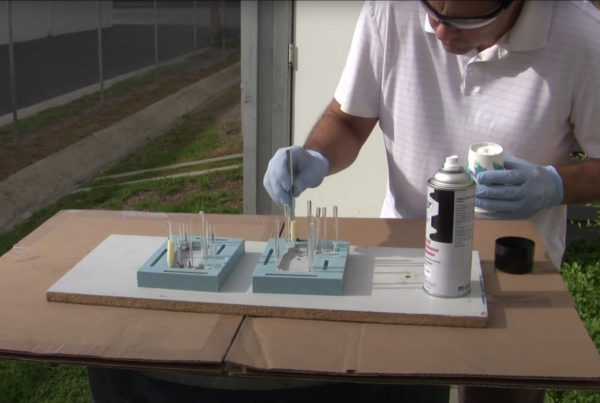
Using a mold release will increase your mold life. Use our E-236 Urethane Release for cast parts that do not need to be bonded or painted. Use our E-302 Rocket Release for parts that need to be painted and or bonded. Use our Zip ME-301S Release for pouring silicone to cured silicone, for making two-piece molds or casting silicone parts in silicone molds.

As always, you can reach out to our knowledgeable Tech Team if you have any questions about mold making and casting. You can contact us at: 714-734-8450 or info@bjbenterprises.com

Related how-to articles
Polyurethane
January 16, 2023

Redesigning Parts for the Process

Most plastic parts are designed for the injection molding process, facilitating long…
Polyurethane
January 16, 2023

Polyurethane Plastic and Rubbers Explained

Making silicone molds and casting polyurethane parts is a great way to…
Related video learning
Polyurethanes
January 13, 2023

Casting a Part With Polyurethane | Part 2

Welcome to Part 2 of BJB's Mold and Part Making Video Series!…
Polyurethanes
January 13, 2023

How to Care and Store Casting Urethane Materials

BJB Introduces its latest line of high performance flexible polyurethane elastomers. The…
Polyurethanes
January 13, 2023

Pro Series Silicone Mold Tutorial | Electric Skateboard Controller

Watch how to turn high quality SLA 3D Prints into Patterns for…